How should I care for my skin after neuromodulator treatment?
Be gentle with treated areas.
Avoid rubbing, massaging or applying firm pressure to injection sites immediately after treatment.
Apply skincare or makeup gently if your provider says it is appropriate.
Expect minor injection-site effects.
Small bumps, redness, tenderness, swelling or bruising may occur.
Contact B.Edit if symptoms persist, worsen or concern you.
Follow activity guidance.
Ask your provider when to resume strenuous exercise, facials, facial massage and other skin treatments; follow the instructions given for your specific treatment.
Allow time for your results.
Your provider will explain when to check your results and whether a follow-up assessment is recommended.
Do not schedule additional injections without discussing them with your provider.
Know when to get help.
Seek urgent medical attention for trouble breathing, swallowing or speaking, or unusual widespread muscle weakness.
Contact your provider promptly for drooping eyelids, significant vision changes or other unexpected effects.
How should I prepare for my neuromodulator treatment?
Complete your health assessment.
Tell your provider about allergies, medications, supplements, medical conditions and any prior Botox®, Xeomin®, Dysport® or other botulinum toxin treatments, including when and where they were given.
Share important health details.
Tell your provider if you are pregnant or breastfeeding, have a neuromuscular condition, have difficulty swallowing or breathing, or have an infection or irritated skin near an injection site.
Discuss bruising risks.
Mention blood thinners, aspirin, anti-inflammatory medicines and supplements you take.
Do not stop or change prescribed medications unless your prescribing clinician instructs you to.
Prepare your skin.
Arrive with a clean face, free of makeup in the treatment area when possible.
Tell your provider about recent facial procedures, peels or laser treatments.
Plan your visit.
Eat and hydrate normally unless your provider advises otherwise, and discuss any upcoming events or procedures with your provider.
How do neuromodulators work?
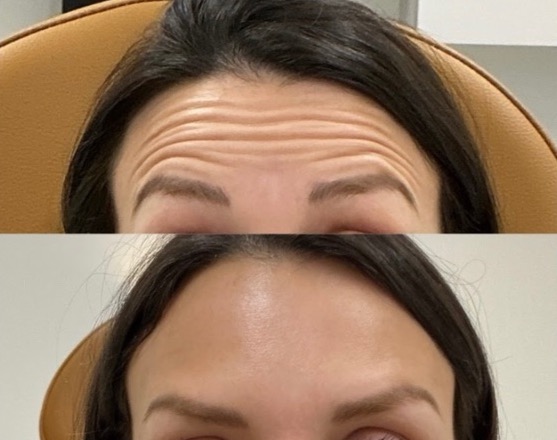
They temporarily reduce nerve signals to selected muscles.
When those muscles move less, expression lines can look smoother.
When will I see results?
Changes often begin within a few days, but the timeline depends on the product.
Your provider will explain when to assess your final result.
Does it hurt?
You may feel several brief pinches from a fine needle.
Your provider can discuss comfort options.
How long do results last?
Many facial treatments last roughly three to four months, but this varies by product, area, dose, and person.
Is there downtime?
Most people return to routine activities shortly afterward.
Temporary redness, tenderness, swelling, or bruising can occur.
Follow your provider's specific aftercare instructions.
What happens during my consultation, and is there a fee?
After booking, you complete a secure health questionnaire and speak virtually with a qualified healthcare professional about your health history and possible treatment options.
You then schedule an in-person appointment with your B.Edit aesthetic injector.
What are the possible side effects?
Temporary tenderness, redness, swelling, bruising or headache can occur.
Your provider will review product-specific risks and your medical history before treatment.
Seek immediate medical care for trouble breathing, swallowing or speaking.
Who should discuss additional precautions before treatment?
Tell your healthcare professional if you have a neuromuscular condition, trouble swallowing or breathing, an infection at the planned injection site, are pregnant or breastfeeding, or have received another botulinum toxin product recently.
Share all medications and supplements before treatment.
How are Botox®, Xeomin® and Dysport® different?
They are different prescription products with distinct formulations and dosing.
Units are not interchangeable.
Your treatment provider will recommend an option based on your consultation and treatment goals.